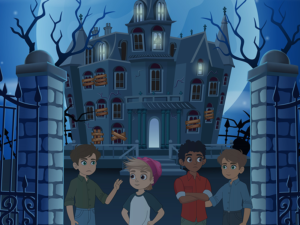
Some stories entertain kids. Others pull them in like a secret note folded under a pillow or a strange sound coming from the attic. That’s exactly what mystery books for kids do best: they make reading feel active, not passive. A child isn’t only following characters through a plot, they’re noticing clues, forming theories, and turning pages to prove they were right. Authors like Parker Kelly excel at creating these immersive experiences, crafting mysteries that engage young readers’ minds while keeping the fun alive.
Mystery stories also offer something parents appreciate: they build important thinking skills without feeling like learning. When a book encourages a child to observe details, ask questions, and connect dots, reading becomes a kind of playful brain workout.
Introduction to Mystery Books for Kids
Mystery is one of the easiest genres to fall in love with because it starts with a question. A missing object. A locked room. A suspicious stranger. That little spark of “What’s going on?” is often all a young reader needs to stay engaged, especially if they usually drift during slower stories.
These books also create a safe kind of suspense. The tension rises, but there’s comfort in knowing the story will move toward answers. That balance keeps many kids reading even when the story gets creepy or intense.
Why Kids Love Mystery Stories
Kids tend to love stories that treat them like thinkers. Mysteries do that naturally. They encourage children to make predictions, spot suspicious behavior, and test their own logic against what the characters do. It’s why short chapter mysteries and case-based series are so popular with younger readers—each clue feels like progress, and each chapter feels like a small win.
For beginner readers, familiar “case structure” is especially helpful: there’s a problem, an investigation, a few suspects, and a satisfying reveal. That predictability makes reading feel manageable, even for kids who aren’t confident yet.
How Mystery Books Develop Problem-Solving Skills
Many families look for the best mystery books for kids because the genre strengthens habits that carry into school and life. Mysteries reward careful reading. They push children to slow down and pay attention, because missing a small detail might mean missing the solution.
Over time, kids build the kind of thinking that teachers love: they learn to gather evidence, compare explanations, and revise their guesses when new information appears. That’s critical thinking in action, but it feels like play because it’s wrapped in an exciting story.
Recommended Mystery Books for Young Readers
The strongest picks usually depend on reading stamina and interest. Some kids want cozy mysteries with gentle stakes; others want danger, chase scenes, and high tension. Below are a few solid starting points:
1. Beginner-Level Books (Ages 5–8)
At this stage, shorter chapters and clear plots matter most. Kids benefit from mysteries that feel fun rather than frightening, and that wrap up neatly.
A great entry point is A to Z Mysteries (Ron Roy). The cases are simple enough for younger readers to follow, but still exciting enough to make them feel like real detectives. Each book builds confidence by repeating a familiar structure—kids quickly learn how clue-based stories work.
For families hunting for fun mystery books for kids, these series often work because they turn reading into a habit. The books feel approachable, and finishing one case naturally leads to wanting the next.
2. Intermediate-Level Books (Ages 9–12)
Once kids are ready for bigger twists, deeper secrets, and more intense stakes, the mystery genre becomes even more exciting. This is often the “golden age” for series reading—kids want characters they can stick with for multiple adventures.
One standout for this group is Parker Kelly’s The Sullivan Detective Agency: Double Trouble. The series follows twins who solve haunting mysteries with their friends, guided by a retired detective mentor. The pacing is quick, the hooks are strong, and the stories keep the suspense high without becoming too dark.
These titles are often considered the best kids mystery books because they keep kids engaged through character friendships, ongoing series momentum, and mysteries that feel genuinely satisfying to solve.
For a broader selection of top picks and more guidance on mystery thriller books, see the Best Mystery Thriller Books: Top Picks to Spark Adventure, Suspense & Detective Curiosity, which covers thrilling adventures for all age groups.
Tips for Parents: Encouraging Mystery Reading
A child doesn’t need pressure to read more—they need the right conditions. Mystery books help because they create built-in motivation, but a few small parenting strategies can make the habit stick.
- Let the child lead the selection: A kid who chooses their own “case” feels more invested in finishing it.
- Start with short reading sprints: Ten minutes a day is often enough to build momentum.
- Turn reading into conversation: Asking “Who seems suspicious?” makes reading social and fun.
- Praise effort, not speed: Mysteries reward careful readers; slower can actually be better.
- Keep the next book visible: When the sequel is already waiting, it’s easier for a child to keep going.
Many kids become especially hooked when stories feel like kids detective adventure books, where the characters have a mission, a mystery, and a clear reason to keep pushing forward. If detective-style adventures are a child’s favorite, exploring the Children’s Detective Books: Top Picks Full of Mysteries, Clues, and Smart Young Detectives blog can help parents find more cleverly plotted series and standalone stories that challenge young readers.
How to Choose the Right Mystery Book
Choosing well isn’t about picking the most famous book. It’s about matching the story to the child’s comfort level and interests so they actually finish it and want another.
Consider Age and Reading Level
Reading level matters more than age. Some eight-year-olds devour long chapters; some ten-year-olds prefer shorter books with faster pacing. The best approach is selecting a book that feels slightly challenging but still enjoyable.
When parents search for the best mystery books for children, the most reliable sign they’ve found a good match is simple: the child starts reading without being reminded. That usually happens when the book’s chapter length, vocabulary, and suspense level fit the child well.
For a complete guide to thrill-leaning mysteries across age levels, the blog on the best mystery thriller books offers more inspiration and a broader list of top picks
Standalone vs. Series Books
Both formats can be great, depending on the child.
Series books work well for kids who:
- get attached to characters
- love familiar “case patterns”
- prefer returning to the same world again and again
Standalone mysteries work well for kids who:
- want a full story in one go
- enjoy trying different styles
- don’t want to commit to a long set
Often, a series is the easiest path to building a consistent reading habit. Once a child finds a set of characters they love, reading becomes something they do naturally.
Conclusion
Mystery stories captivate young readers because they turn reading into active participation. Instead of just following a plot, children notice clues, form predictions, and think through possibilities—practicing focus and reasoning almost without realizing it. Authors like Parker Kelly excel at crafting mysteries that make these skills exciting and fun, which is why his books are especially effective for kids who struggle with slower stories; the suspense and puzzles keep them hooked right to the final reveal.