 Skip to content
Children’s Mystery Book Series: Must-Read Stories That Keep Kids Hooked
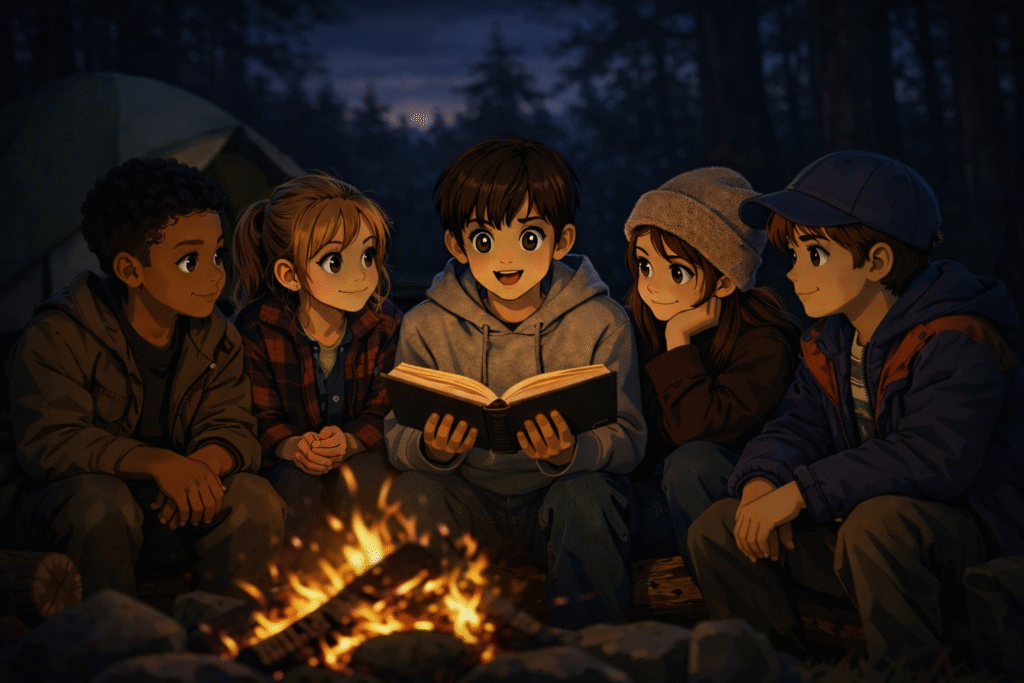
There is something uniquely powerful about a great mystery. For children, a mystery story does more than entertain—it transforms reading into an active experience. Every clue invites a guess, every suspicious character sparks curiosity, and every twist encourages young readers to think critically. This is why a strong children’s mystery book series can be the difference between a child who reads reluctantly and one who reads eagerly.
Unlike standalone books, series-based mysteries offer continuity. Familiar characters return, stakes gradually rise, and young readers feel invested in outcomes beyond a single story. When done well, a mystery series becomes a companion—one that grows alongside its reader. In today’s landscape, where attention is constantly pulled in different directions, well-crafted mystery series remain one of the most effective ways to keep children hooked on books.
This blog explores what makes a mystery series successful, why children are drawn to them, and why Parker Kelly’s The Sullivan Detective Agency: Double Trouble stands out as a benchmark example among modern children’s book series.
Why Mystery Series Are So Effective for Young Readers
Mystery stories naturally align with how children think and learn. Kids are observers by nature. They notice patterns, ask questions, and enjoy figuring things out for themselves. A strong mystery book series taps into these instincts and rewards attention.
Rather than passively absorbing information, readers actively participate. They track clues, question motives, and form theories. This engagement helps develop problem-solving skills, memory retention, and logical reasoning—without ever feeling like schoolwork.
Another major strength of mystery series is momentum. Once a child finishes one case, curiosity pulls them into the next. Familiar characters and settings reduce the effort required to start a new book, making series ideal for building consistent reading habits.
What Makes a Great Mystery Book Series for Kids?
Not all mystery series are created equal. The most successful ones tend to share a few essential traits:
1. Strong, Relatable Characters
Children connect most deeply with characters who feel real. Kid detectives should be curious, imperfect, and brave in believable ways. When readers see themselves reflected in the characters, they care more about the outcome of each mystery.
2. Age-Appropriate Suspense
The best mystery series balance tension carefully. They introduce danger and uncertainty, but always within a framework that feels safe. Fear is used to excite, not overwhelm.
3. Clear Clues and Fair Play
Good mysteries respect the reader. Clues are planted intentionally, allowing children to solve the puzzle alongside the characters. This sense of fairness is what makes mystery reading so satisfying.
4. Growth Across the Series
In a standout children’s mystery book series, the challenges evolve. Mysteries become more complex, stakes rise, and characters mature. This progression keeps older readers engaged while rewarding long-term commitment.
The Enduring Appeal of Detective Teams
One of the most effective formats in children’s mystery fiction is the detective team. Whether it’s siblings, friends, or classmates, teams model collaboration, each member contributes a different strength—logic, bravery, observation, or creativity.
This structure not only adds variety to problem-solving but also reinforces positive themes like cooperation, loyalty, and trust. Many of the top mystery book series for children’s success stories rely on this dynamic because it mirrors real-life friendships and group problem-solving.
The Sullivan Detective Agency: Double Trouble by Parker Kelly
Among contemporary children’s mystery book series, Parker Kelly’s The Sullivan Detective Agency: Double Trouble stands out for its consistency, pacing, and ability to scale with its audience.
The series follows twins Carter and Cooper Sullivan, whose curiosity and courage lead them into a succession of increasingly complex mysteries. Guided by their retired Irish detective neighbor, Amos Murphy, the boys form a junior detective agency that blends youthful energy with seasoned wisdom.
What makes this series particularly effective is how it combines classic mystery elements with modern pacing and relatable emotional stakes.
Looking for fun, exciting adventures tailored for young readers? Check out “Detective Adventures Series Book: Edge-of-Your-Seat Mysteries for Young Readers.”
A Closer Look at the Series Progression
Fear in the Forgotten House (Part I)
The opening installment establishes the tone perfectly. A mysterious abandoned house, unsettling rumors, and hidden dangers create an immediate hook. Fear in the Forgotten House (Part I) introduce readers to the core mechanics of mystery-solving—observation, questioning, and teamwork—making it an excellent entry point for younger readers new to chapter-book mysteries.
This type of accessible introduction is a hallmark of successful children’s mystery series, easing readers into suspense while building confidence.
The Castle Quest (Part II)
The second book The Castle Quest (Part II) expand the scope dramatically by transporting the story to Ireland. Castles, hidden passageways, and folklore-inspired threats elevate the adventure while maintaining logical problem-solving at the core.
This installment shows how a mystery series can introduce new settings and cultural elements without losing its identity. For readers seeking a more exciting mystery book series for children, this kind of expansion keeps the experience fresh.
The Final Clue (Part III)
Here is the The Final Clue (Part III), the mystery grows more layered, involving secret basements, ancient artifacts, and deliberate attempts to conceal the truth. The introduction of additional characters broadens the investigative team and raises the emotional stakes.
This progression demonstrates how children’s mystery book series can evolve alongside readers, offering deeper plots without abandoning clarity.
A Journey Back to Ireland (Part IV)
The fourth installment A Journey Back to Ireland (Part IV) blends folklore with danger more tightly than before. The legend of the Dullahan adds urgency and atmosphere, while missing friends and shadowy enemies push the characters into more serious territory.
This balance of myth and realism is especially effective, showing how legends can be used as cover for human motives—a recurring strength in strong mystery narratives.
Vampires in Bloomfield (Part V)
By the fifth book, Vampires in Bloomfield (Part V) the series reaches its most intense point. Supernatural rumors, a suspicious neighbor, and the disappearance of one of the twins elevate both suspense and emotional impact.
Importantly, the story remains grounded. The real threat is human, reinforcing a core lesson of many children’s book series: fear often hides the truth, and understanding comes from investigation, not assumption.
Why This Series Keeps Kids Hooked
Parker Kelly’s series succeeds because it understands its audience. Chapters are fast-paced, mysteries are layered but fair, and characters grow more capable with each book. Humor softens tense moments, while danger feels real enough to matter.
For parents and educators searching for the best mystery book series for kids, this blend of accessibility and progression is ideal.
How Mystery Series Compare Across Age Groups
Not every child wants the same level of complexity. The strongest mystery book series for children are those that match story intensity with reader readiness.
- Younger readers benefit from shorter chapters, familiar settings, and straightforward clues.
- Middle-grade readers enjoy layered mysteries, broader settings, and higher stakes.
- Older readers look for psychological depth, moral ambiguity, and long-term consequences.
A well-structured children’s mystery book series often spans these levels, allowing readers to grow within the same fictional world.
The Inheritance Games by Jennifer Lynn Barnes
While primarily aimed at older teens, The Inheritance Games by Jennifer Lynn Barnes is a valuable reference point for understanding how mystery appeals across age groups. Its puzzle-driven narrative, riddles, and layered secrets showcase how mystery storytelling evolves for more advanced readers.
For families whose children begin with middle-grade series and want to transition into more complex mystery fiction later, this book demonstrates where the genre can lead.
If you enjoyed Parker Kelly’s The Sullivan Detective Agency series, you’ll love discovering more heart-pounding mysteries. Check out our blog for the full list: “Best Mystery Thriller Books: Top Picks to Spark Adventure, Suspense & Detective Curiosity.”
The Educational Value of Mystery Series
Beyond entertainment, mystery stories offer lasting benefits:
- They improve reading comprehension through attention to detail
- They encourage logical reasoning and hypothesis testing
- They build patience by delaying answers
- They foster empathy by exploring motives and consequences
These benefits are magnified in a children’s mystery book series, where skills are reinforced across multiple books rather than a single story.
Choosing the Right Mystery Series for Your Child
When selecting a series, consider:
- Reading level, not just age
- Interest type (detective logic, adventure, suspense)
- Tone tolerance (light mystery vs. spooky suspense)
A child who finishes one book and immediately asks for the next has found the right match.
Why Series Matter More Than Ever
In a world of short-form entertainment, long-form reading thrives when it creates emotional investment. Series accomplish this better than standalone books. Returning characters feel like friends. Ongoing mysteries feel personal.
That’s why children’s book series continue to be one of the most reliable tools for building lifelong readers.
Does your young reader love a heart-pounding puzzle? Explore our blog that says it all: “Suspense Mystery Books: Thrilling and Exciting Stories That Keep Kids on the Edge of Their Seats.”
Final Thoughts
Mystery stories invite children to think, question, and explore. When those stories unfold across multiple books, the impact multiplies. Strong characters, escalating stakes, and fair mysteries keep readers engaged long after the final page.
Among today’s offerings, Parker Kelly’s The Sullivan Detective Agency: Double Trouble exemplifies what modern mystery series can achieve—excitement without excess, suspense with heart, and stories that reward curiosity.
For anyone searching for children’s mystery book series that truly keep kids hooked, the right choice can spark not just a love of mysteries, but a lifelong love of reading.
About Author

Parker Kelly
“My books are your passport to adventure, where the impossible is possible, and every page is a thrill.”
Recent posts

Writing Action-Packed Scenes: Tips from an Author
November 29, 2024
No Comments

Writing for Children: Capturing Their Hearts and Minds
November 29, 2024
No Comments
From Haunted Houses to Castles: The Evolving Settings in Books with Mystery Suspense and Adventure
February 5, 2025
No Comments
